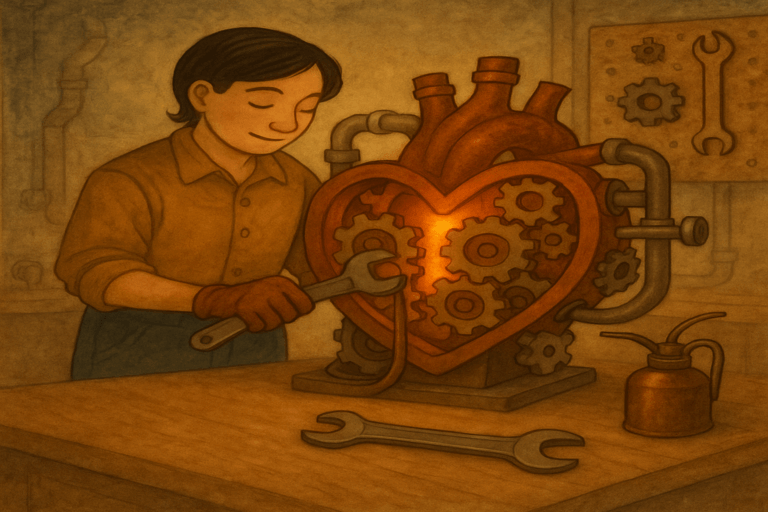
Why is there a training phase at the beginning of my healing journey? Because of the way I—and everyone else in this culture—didn’t learn how to take care of my emotional system’s needs. In other words, it was because of my emotional ignorance. The vast majority of us are born with emotional systems that are intact and whole, just as the same is true with our physical bodies. But the norm in this culture is to end up in emotional states that are full of issues and problems. Although we’ve accepted this as normal, that doesn’t mean it’s necessary.
In my experience, our issues and problems are created, and they’re done so by way of an emotional ignorance we—usually unwittingly—learn to practice. This practice is grounded in suppressing, ignoring, and covering over emotional pain when it inevitably occurs in our lives. It’s grounded in neglecting the needs of our emotional systems as we pursue what’s easy for us in the short term.

When you go through the type of severe trauma that I went through as a kid (Getting Started Posts), it’s inevitable that it will severely debilitate you. But just because you injure your knee doesn’t mean you need to hobble around on it for the rest of your life. Healing exists so we can get torn up, and then recover from the trauma we experience in life.
Some go through severe trauma, while others experience the more common, less severe traumas of a broken heart, the loss of something they love, the negative emotional consequences that come with making foolish decisions in life, etc. However it happens, we all experience negative emotion, but few in this culture gain the tools and hands-on knowledge to deal with it in the ways your emotional system needs you to so you can set yourself free from it.
Emotional ignorance causes long term problems that surface within all of us in different ways. We struggle with chronic anxiety, panic attacks, depression, compulsive disorders, an inability to nurture intimacy in certain relationships in our lives—with our bodies, with food, with loved ones, etc.
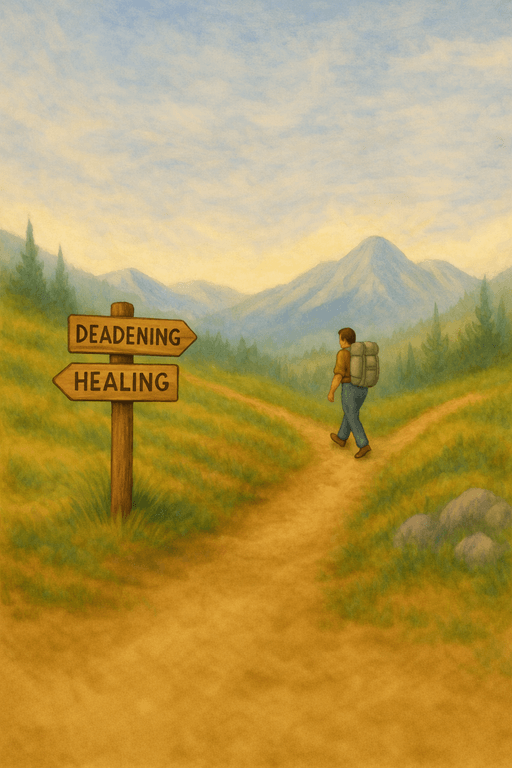
When issues and problems appear and persist, each person finds themselves at a crossroad. They can strive to more powerfully suppress things, cope with things, and work around their struggles, which is what most people look to do so they can ‘get on with life’ (usually by further deadening it). Or they can accept the fact that things need to change—that they need to change—so they can have a chance at overcoming their struggles, which is what a core healing process is all about. In other words, they can stay ignorant, or they can move towards emotional intelligence.
What does it mean to be emotionally intelligent? As I define it, it means you learn how to have a hands-on, intimate relationship with your emotional system so you can understand it’s functional value, you know what it means to be emotionally whole, and you learn how to engage with your system’s needs to stay vital and whole when life is flowing along, and when you get torn up and need to heal.
You need to go through a training phase when you step into a core healing process so you can get up to speed with the hands-on emotional skills such a process demands. When we become debilitated at our cores, which in my experience is a normal part of the degradative process we all go through in this culture, we hurt in a way that is very difficult to change. To heal at this level, you need a powerful and well-informed approach that works, and then you need participants that are willing to learn how to be a contributing force within their struggles so they can do their consequential part to help the process instead of to hinder it.
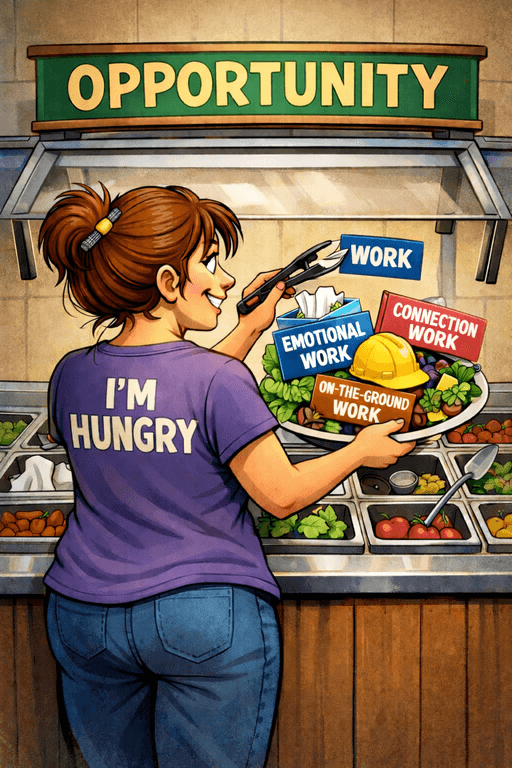
Since becoming emotionally intelligent is a hands-on endeavor that demands hard work so you can learn, you need a hunger that will drive you into it. This can be grounded in being tired of using approaches that aren’t that effective, in being sick of suffering, or in getting excited about being given the opportunity to be a part of an approach that actually gives you a chance to overcome your struggles. This type of hunger, even when it’s coupled with fear, hopelessness, and feelings of defeat and not being good enough, is what allows people to give hope a chance so they can test out whether there’s something more to emotional struggle than just getting by.
By the time I started my own healing journey,I had no tolerance for covering over and deadening my emotional pain because of the way my abuse had never been acknowledged, and was covered over by my abusers. I was really scared because opening up to my suppressed past had hammered me, and I didn’t want to go back to a place where I couldn’t even function. But at the same time, I wasn’t afraid of hard work, and I knew things needed to change. The songs of Life (03 The songs of Life) gave me a way forward that was demanding, but that was practical, that I could test out and gauge over time, and that gave me a chance to come back to Life.
It took me years to stumble my way through the training phase because I was learning how to become a healer as I went. It now takes my clients as little as 6 months to navigate. It all starts with a simple question: Why do we have emotions?