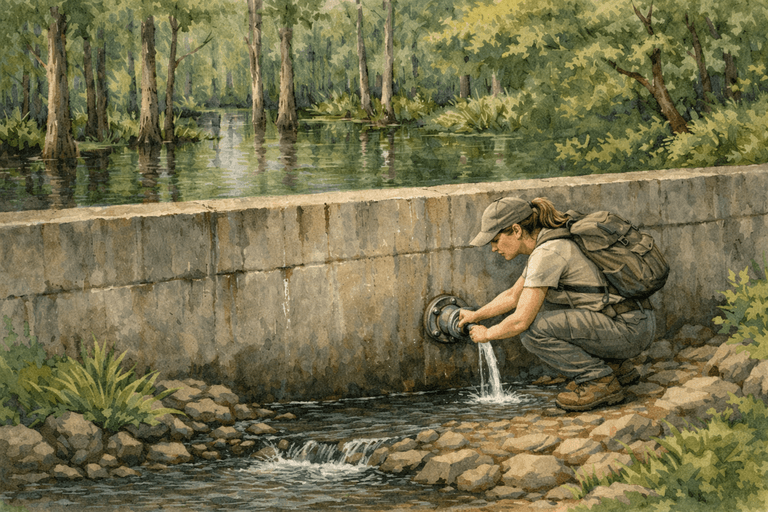
I consider sadness release work to be connected to our emotional water. When they’re healthy and whole, our emotional water feels like a combination of contentment, kindness, and a feeling of being committed to things that is joined together into a singular experience I call respect. When it’s torn up and injured, it shifts into feeling sad/sorrow, hurt/disappointment, bitterness, and a drive to disparage yourself and others. Sadness release strives to meet this unpleasant ball of negative emotion and to let it flow through and out of you in healthy ways, often by way of crying it out.
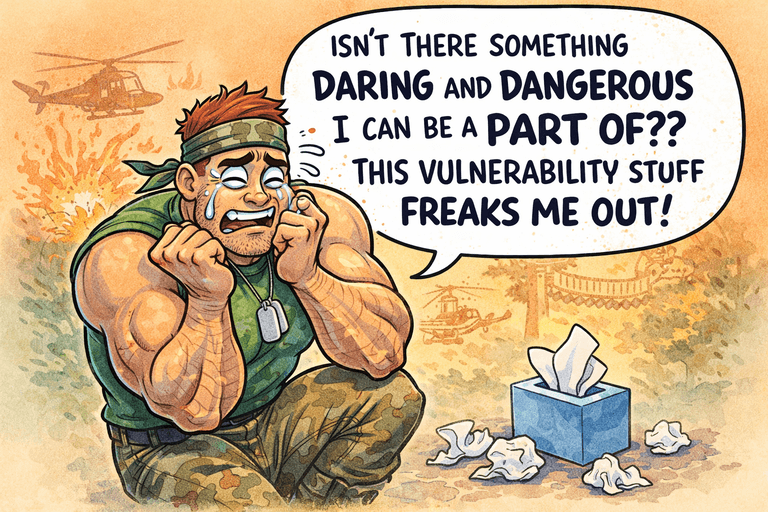
I tend to get quite a few clients who are wary to start venting off their emotional fire because they’ve learned to do so is dangerous and unseemly. With sadness release work, most that struggle with it aren’t worried about it being dangerous. Instead, they struggle with the vulnerability that comes with releasing this emotion, which can make you feel weak and really uncomfortable. This can create fear and shame-based resistance that needs to be honored and worked with—usually with the help of song—so my clients can organically work their way into this experience without needing to either fight against and put their resistance at a distance, which only creates more resistance in the end.
Anger and sadness release work go hand in glove, and most of my clients are usually more naturally talented with one than the other. Because of this trend, we strive to identify which of the two is more of a strong point, and have you start there. As you get up and running with one way of releasing, it tends to set the stage for the other type of release work to come into the picture. This is because anger and sadness are two opposing ways to feel about the same types of experiences—loss, failing to get the chance to be a part of, and needing to struggle to get the chance to be a part of something. This could be anger and sadness related to things such as losing a loved one, not getting a promotion, struggling with your weight, etc.
There are a few techniques (introduced in the Phase I Client Manual) that my clients use for support as they practice sadness release work. They allow you to use some basic connections with the earth humans organically have to help support you as you strive to hold the heaviness of this type of emotion so you can allow it to exist and then flow. It’s relatively common for people to want to use other people to dump their sadness verbally, but we don’t practice that with core healing because dumping core emotion with/on others is toxic. If you want to share with friends, I always suggest you go do your release work in private, letting the techniques support you, just as you’d dump your poop and pee in the toilet. Then come back and share something positive with your friends so you’re not weighing them down in emotional waste and grounding your bonds in the sharing of that waste.
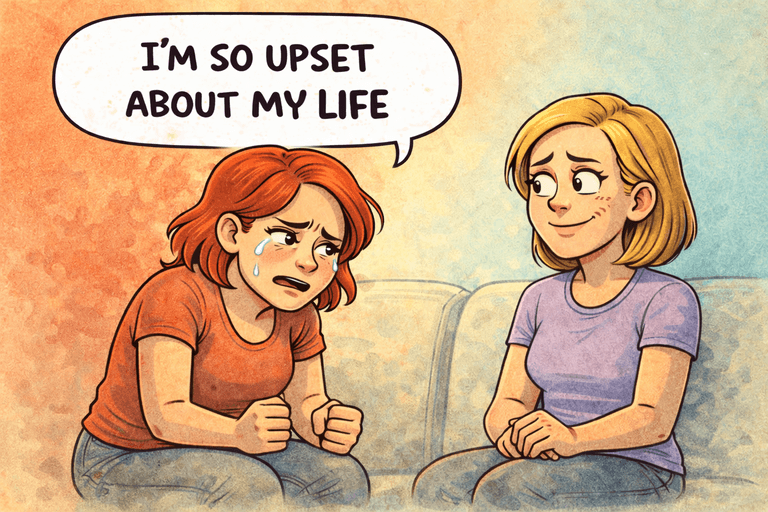
I’ve had some people get upset with this advice because dumping their emotional water is such a big part of sharing with friends or maybe a therapist. Beyond the toxicity issue, there’s an efficiency issue that directs the needs of this situation as well. When you’re talking, you’re at least partially in your head, and so the dumping isn’t as efficient as when you’re simply connecting directly to the negative emotion, holding and giving care to it until it’s ready to flow, and then letting it move through and out of you. The deeper into your backlog you go, the more fluid and efficient you’ll need to be with your release. That means you have to stop talking and start connecting, holding, and flowing.
As with anger, when you decide to suppress, ignore, and cover over your emotional water, negative things will inevitably happen. Whereas anger builds into a pressure cooker, explosive type of situation, sadness goes in the opposite direction. These emotions start weighing down on us and bogging us down emotionally. This heaviness will seep into our life and saturate us with a sense of bitterness and discontentment that nurtures distance and conflict instead of connection and flow in our lives. Trying to be happy by thinking happy thoughts, or by pursuing something in your life that will make you feel good doesn’t change your torn up core emotion. If you want to bring organic, bone deep change to your experience, you need to flush out the negative so you can heal and return to a state where you start to organically feel a core experience of contentment and respect.
How you ease into your sadness release work will depend on the struggles you’re having. Most start by focusing on anything that makes them feel sad or hurt, the more personal the better, just to get things moving so you can learn the basics of doing this work. As song boosts the healing process, your system will then start showing you the doorways into your core sadness, hurt, and bitterness that need accessing.
Once your sadness release work gets moving, you’ll find it works in conjunction with anger release, which is why it’s important to get both types of release work up and running. For example, let’s say you’re working with some sadness, or an issue or event that is connected to your sadness, and all of a sudden, the emotional picture will organically shift and you’ll be feeling anger about either the same event, as pure emotion, or about something different. This is simply how moving through emotional layers works. The more you’re able to allow and listen to these shifts, the more efficient and effective your release work will be.
As always, you want to know what you’re trying to accomplish with your release work so you can test it out and see if it’s working. This will start with the release of the negative as you learn how to sustainably drain the swamp of negative emotion with your sadness release work that is related to the goals you want to accomplish with your work. In time, this negative drain will pivot towards the nurturing of the positive as you start to feel lighter and more respectful about yourself and your world at a core level.