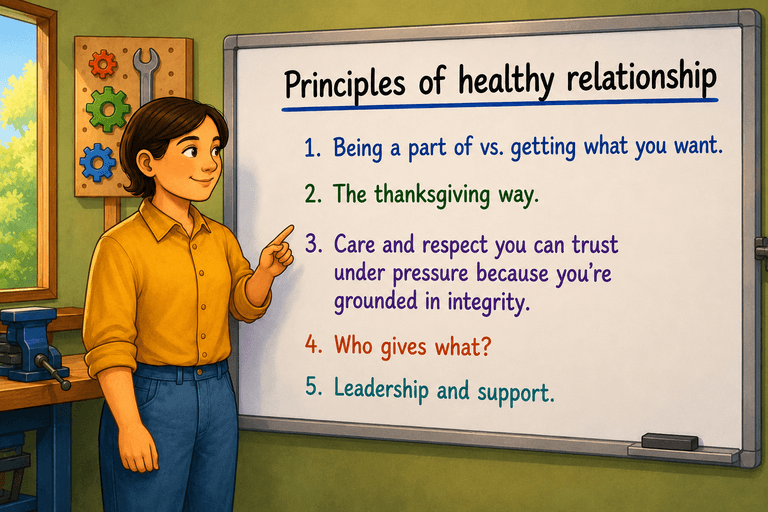
There are a number of ways to define what it means to be in healthy relationship. There is also plenty of nuance within it where different people and things will share healthy relationship in different ways. But there are some fundamental principles that thread through it, and I want to focus on the ones relevant for my clients with this post.
The first principle, which the earth is fully rooted within, is that healthy relationship is about being a part of something, and about giving so you can receive within this experience of union, not just about getting or taking what you want. That means healthy relationship is always about the team as much as it is about the individuals within it. And, if you pivot into focusing on what’s best or easiest for you—what works for you—and away from what works for your partner or the larger whole, then you will always weaken the connection and flow within the relationship. And connection and flow is the life blood of any healthy relationship.

A second principle that the earth is deeply grounded in is what I call the thanksgiving way. This principle states that life is a gift, no matter what types of challenge comes with it. It states that, when we receive this gift, it generates a debt that must be paid off to find balance within your life. The way you do this is by learning how to give thanks for your life by building on the strengths and talents you’ve been given so you can overcome the struggles that will inevitably come your way. This starts with making the most of your own life, and then always extends outwards from there so you can contribute strength, balance, and vitality to the larger world you’re a part of.
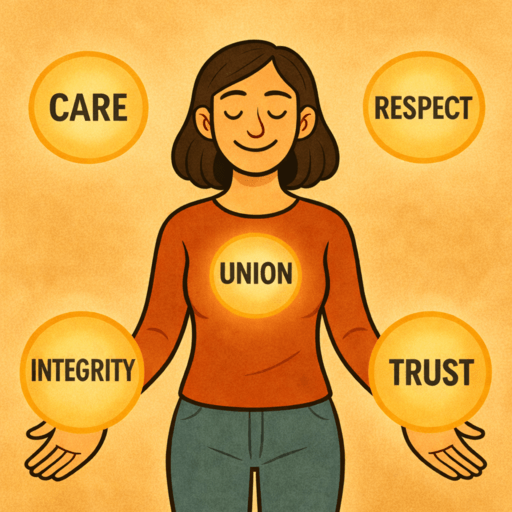
To understand how contributing works within a healthy experience of union, I pivot to the emotional system to find the next principle. It says we need to be able to share care and respect that’s grounded in things we can trust because they have the depth of integrity to hold up under pressure. That’s what a whole and healthy emotional system organically shares as it strives to nurture healthy experiences of union that are grounded in fit. As always, you have to start by establishing these qualities within your relationship with yourself, and then they will naturally extend outward from there. The more you share these qualities with the world, the more your contributions will make a statement that you need the same in return. In so doing, healthy relationship nurtures care and respect that you can trust under pressure from both sides, creating bonds that are strong, flexible, and resilient.
Once you understand the type of contribution that works well within union, I then pivot to horses for the last principle, which focuses on splitting up the contributions the team members need to make. When it comes to working with horses, they often need us to step up and help them with life so they can then have what they need to be a part of our foreign world. At other times, they’ll step in and help you and take care of you in extraordinary ways. People tend to think of healthy relationship in terms of sharing things on a 50-50 basis. There does need to be a balance in the sharing, but horses have helped show me that how this ratio works needs to be fluid.
If you have an adult and a baby, then healthy relationship dictates that the adult will need to take care of both herself and the baby’s needs because the baby inherently cannot do much to take care of himself. If the relationship is between you and your body, or your emotional system, then you need to learn what these parts of you need so they (and the team) can find and maintain wholeness and wellbeing.
When my clients seek out my expertise, the balance in the beginning of our relationship is usually between 70% to 90% me and 30% to 10% them. That puts a large burden on my shoulders, and it’s why my clients pay me for my services. This ratio demands that I be a really balanced and skilled leader if I want my clients to have a chance to accomplish the really difficult task of healing at a core level. But even with this type of leadership, these numbers aren’t sustainable over time, and so the goal of our work is to get them to change.

One defining characteristic all of my clients have is a hunger to learn how to contribute to their struggles. They come into this work debilitated and usually pretty lost, so they don’t initially have a lot of capacity or skill to share. But, if they’re hungry to learn how to gain these two things, my approach shares them, and this will allow my clients to contribute more and more to our relationship in time. This allows our ratio to progressively shift towards a more balanced state as we move through the healing process.
My goal as a leader is to meet my clients where they’re at, and then to build from there, usually 5% at a time. If you can start at 15%, OK. Let’s help you heal and build the skill you need so you can get to 20% so I can pull back to 80%. Then let’s keep on going, helping you work towards more independence and empowerment so I can step back more and more over time. Eventually, my goal is to transition into a supportive role within our relationship so my clients can lead the way with session and their work until we are able to accomplish their goals and my services are no longer needed.

The basic principles that thread their way through the healthy relationship I seek to share with my clients are something you’ll need to explore as you move through your Phase I work. Your emotional system and I will be there to help model them so you can test them out and get a feel for how things work. In the end, the more you can understand and practice an experience of healthy relationship within your healing process, the more impactful you’ll be, and the more powerfully you’ll heal and help create the potential to achieve your goals.