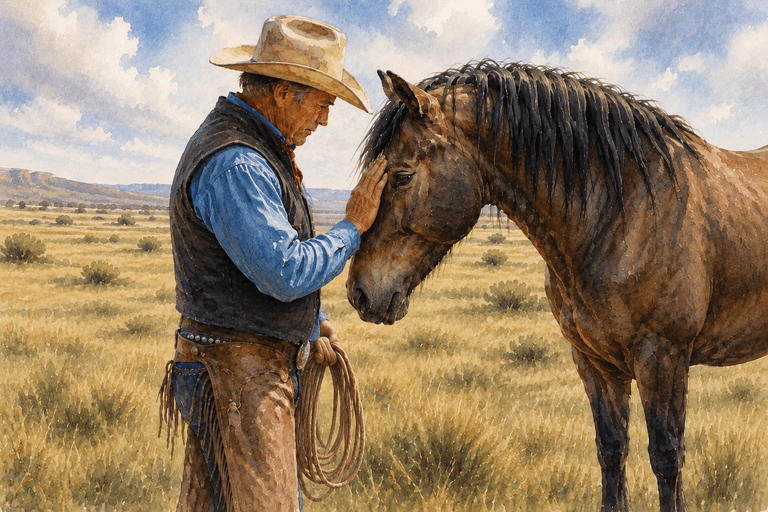
The term ‘whisperer’ originated in the world of horses. Most horse people use a combination of control and coercion to train and work with their horses. Horse whisperers strive to use a deep, functional understanding of how horses understand and experience the world and each other to gain the care, respect, and trust needed to create cooperation with them. This demands that whisperers see and understand the world through the horse’s eyes instead of through their own. This different, more symbiotic approach gives whisperers a unique way of understanding why issues and problems occur, and what to do with them to help them change.
In this culture, people tend to think of whisperers as having special, even magical powers because they can come into situations that people have often been struggling with for a while and create positive change in a short period of time. People like Pat Parelli (horses) and Cesar Millan (dogs) shared this process with television shows you can watch on YouTube. The change these whisperers can create takes little time because the problems they’re dealing with are mostly behavioral. This means the animals are generally healthy and whole, which means they don’t need to heal through any trauma to change. They just need to be met in different, more attuned ways so they’re given what they need from humans—i.e. giving them healthy boundaries—so their issues and problems can change.

I never used to think of myself as an emotional whisperer because I primarily deal with healing instead of purely being oriented towards behavioral change. Core healing does allow my clients to change their behavior because core emotion drives a lot of how we act, especially under pressure. But this usually takes some time, which means I can’t immediately create the life changing results whisperers do with horses and dogs.
I’m writing about whisperers in this first post because, as I’ve striven to share my work both verbally and with the written word, I’ve found that it’s so foreign to most people that they simply can’t relate to my explanations without first experiencing the work. For decades, I unwittingly circumvented this challenge by solely using word of mouth referrals to build and sustain my client base. This allowed me to lead with results instead of explanations. This process worked well, but it put the job of reaching new clients on my client’s shoulders instead of my own.
This blog is part of my effort to reach out to and to bring in new clients myself. To do so, I wanted to find a model that fits what I do that people could relate to. That’s why this post is about whisperers. It wouldn’t be accurate to call me a human whisperer because I don’t solely focus on behavioral change. But it is fair to say that I’m an emotional whisperer. This means I’m able to attune to and to help the state of a person’s emotional system transform in ways that very few can. I do this by way of cooperating with the natural drives of this system instead of needing to control or coerce it.
One of the things that makes me so unique as a practitioner is that I have been able to figure out how the emotional system is structured and functions both when it’s healthy and whole, and when it’s torn up and healing. 150 of the 600 pages of my 3 Client Manuals lays out all of these mechanics. This hands-on knowledge has allowed me to have a practical understanding of what goes into the creation of my client’s issues and problems, and what’s needed to overcome them.
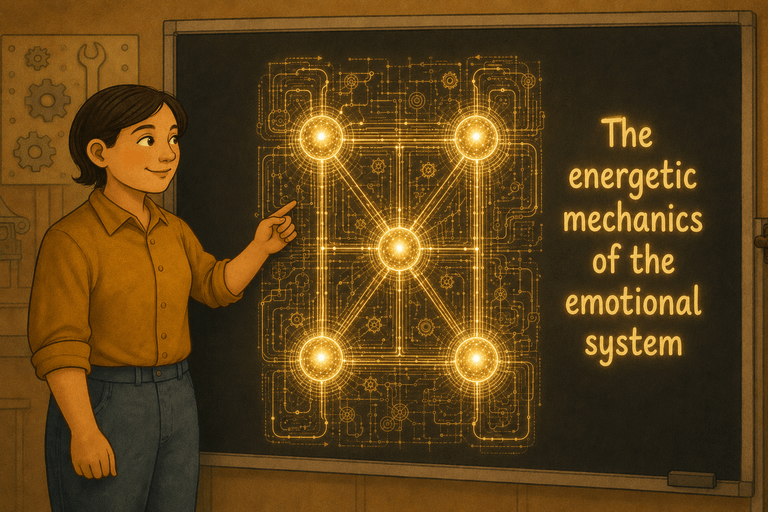
What’s so confusing about the way emotions work is their intangibility. If you have a problem with your lungs, you expect practitioners to understand the mechanics of what’s not working, and what they need to do to help the situation. With emotion, we all know that when you gain something you want in life, it makes you happy, and when you lose something you care about, it makes you sad. So, we understand that emotions have a cause-and-effect logic to them, but how do you figure out how a system that’s a part of our organic human software works to the point where you can help it when it’s not functioning properly?
Whether you realize it or not, you’re using software to access this blog. All computer software is grounded in logical, cause-and-effect mechanics that are grounded in code. This language allows us to build intangible tools—such as the Microsoft Word I’m using to type this blog—that are grounded in intangible mechanics that drive them to function reliably. Although emotions are organic instead of being lifeless and robotic, their function is also grounded in their own type of code that gives them structure and function. If you don’t know how these mechanics fit and work together, then you’ll never be able to deal with the complexities that go into core healing. My ability to attune to and impact these mechanics are what sit at the heart of what I do as an emotional whisperer.
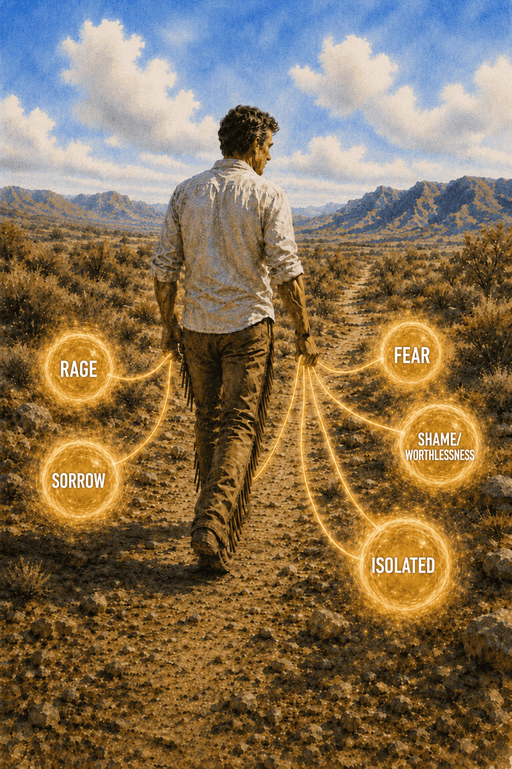
These introductory posts lay the foundation for the healing journey that I’ve taken that has allowed me to become an emotional whisperer. I’ve found that horse whisperers are born with a natural affinity towards the way horses exist, communicate, and live their lives. They then spend a lifetime living with and learning from horses so they can gain the ability to do what they do.
I was born with a natural ability to both understand how things work—to understand mechanics—and to be able to connect to the softer, energetic side of life in which our emotions exist. This gave me the talents I needed, but an emotional whisperer has to do more than just spend a lifetime with emotional systems because he has to gain the ability to help them heal. Unfortunately, the only way to really learn how to do this is to suffer and struggle. This gives you the opportunity to prove to yourself that you can blaze a trail in a hands-on, experiential way back to a state of wholeness and wellbeing that you can then share with others.
That’s why my story begins with a whole lot of pain and suffering.