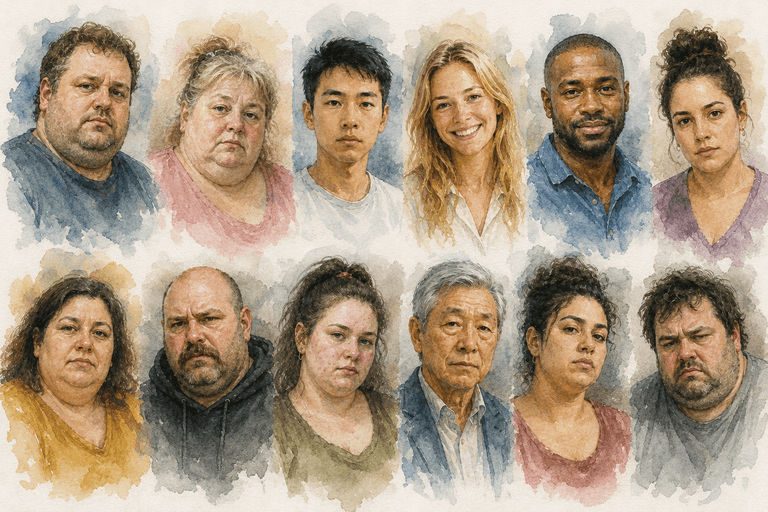
For most of my life, my debilitated core was grounded in core emotion of feeling so deeply betrayed, let down by, and hurt by people that I simply lost the basic potential to like them. There was no choice with this emotionally based state—I simply couldn’t like or trust humans at a core level. This wasn’t just driven by being hurt. It was also grounded in the core emotional truth that the only type of intimacy I deserved from people was experiences infused with an awfulness that was deeply repellent and intolerable.
Fortunately for me, I had a countering balance to what I experienced with people in my young life. My experience with Creation, which started at a young age, was so tangible and powerful that it saved my life in those years of being so severely isolated in my abuse. But beyond saving my life, my intimate connections to that world also allowed me to come back to Life by giving me the chance to heal at a core level. It took a long time, but I finally gained access to my torn-up core emotional water, and one of the results of healing through its debilitation was that I organically reclaimed the ability to like people.
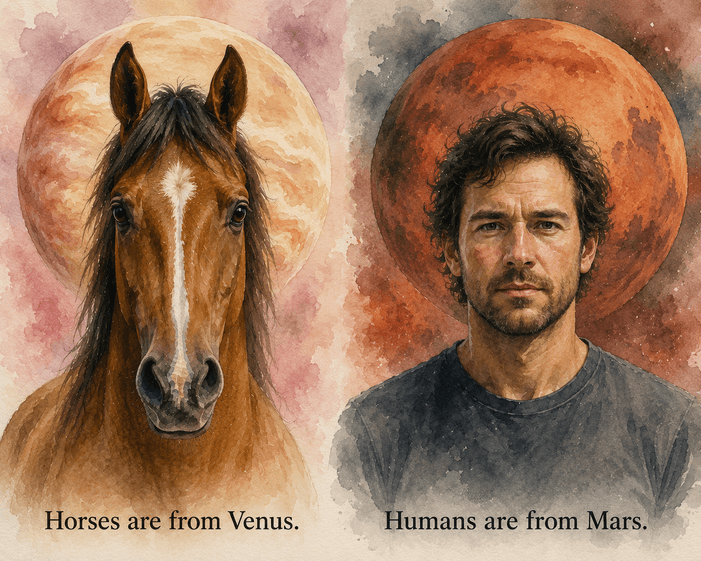
As I explained in the previous post, my connection to Creation and my core healing process led me to horses. Horses can be very difficult to work with, and I think you’d find them saying the same thing about humans. They’re prey animals, and we’re predators, and so we’re basically as different as men and women in how we see and understand the world. When striving to negotiate this world as a team, this can create a lot of issues and problems that are grounded in misunderstanding and mistrust.
The key to building trust and respect with horses is in being able to understand how they work and what they need so you can help meet these needs. The more you’re able to do this, the more the horse will trust you and accept your leadership because it knows it’s being seen and cared for. Because this process can be challenging, and often demands a lot of patience and determination, I’ve found that a critical component of leadership, and within healthy relationship in general with horses, is that you like them. The more you like them—for how they are, for how they share, for how they smell, for how they make you laugh, etc.—the more you can stay connected to that positive, balanced experience as you struggle with challenges that really test you. It was by way of this connection I have with horses that I came to understand how important it was to find this type of appreciation for all the things in my life that I was finding union with.
When it came to people, I have been a solitary bird for much of my life. I was always an attractive and likeable person, but I just couldn’t handle the organic pressure of having people close to me. I became a carpenter when I was young—a profession I loved—and I hoped I would get the chance to do this work for the rest of my life. Then I was given the songs of Life, and my professional life veered away from trees and towards people.

I still remember how upset I was when I first realized that I would have to work with people professionally. It wasn’t something I would have chosen, but when you’re given a Gift as powerful as the songs of Life, the only way you can give thanks for its presence in your life is to make the most of the Gift. This began with me using the songs to heal, but then, once I had reached a certain level of strength and skill as a healer, it became clear that I would not only need to start sharing song with others, but that I would have to commit my professional life to doing so.
For 25 years I did my best with what I had as a practitioner, and with the help of the songs of Life I helped a lot of people in some extraordinary ways. But my foundational dislike and distrust of people shaped how I engaged with my clients in ways that, at the time, I didn’t understand. I was generally too harsh and direct with them at times, and this worked against my goal of helping people heal. I was doing my best, but my debilitation was keeping me from fully giving my clients what they needed on an interpersonal level.
As is often the way with core healing, I didn’t really know I had a problem until I healed to the point where that problem started shifting so I could see that there was another way of doing things. I literally can’t explain to you how big of an ask, how impossible of an endeavor it was for someone like me to get to a place where I could reclaim the ability to like people at a core level. The first time I opened up to this experience, I was stunned. I imagine it was a bit like being a deaf person that has regained the chance to hear for the first time in their life in that, for the first time in my life I realized how the majority of others feel about people.
I never set out to reclaim the ability to like people. It just happened as a natural part of my core healing process. The impact it has had has been powerful and far reaching. It has given me the heartfelt ability to meet people where they’re at and to work from that place. Professionally, it has allowed me to be able to dance much more skillfully with deep vulnerabilities, and to establish and hold boundaries in a much more caring and respectful way.
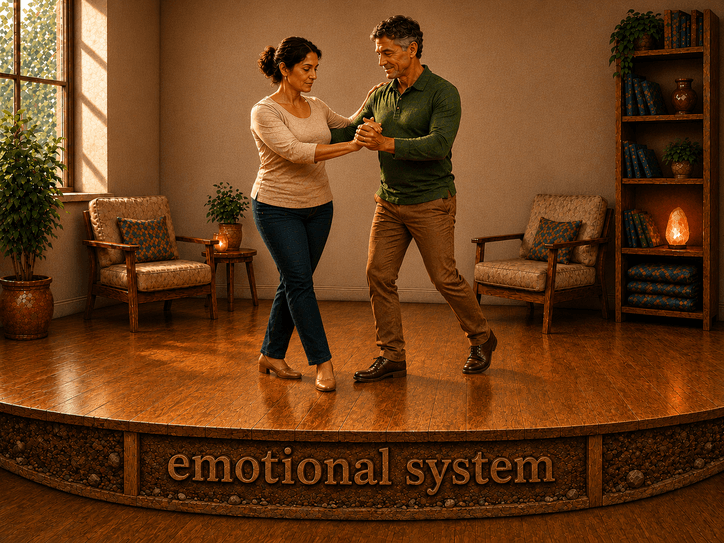
You might expect me to use my interpersonal relationship with my clients as the primary model for healthy relationship, but that’s not the case. Humans are foolish and fragile creatures, and so they’ve never been meant to serve as foundational models for healthy relationship. My clients do build their own relationships with the earth by way of connection work, but there’s not enough consequence within it to really shape them deeply. So I strive to use the emotional system and the core healing process as the main model for them. With it, they are given a solid education in what it means to be a part of something balanced and integrous, and I can then bring in our interpersonal relationship and use it to treat them like a horse—which in my eyes is a compliment—that needs leadership and guidance to understand and embody what it means to be a part of healthy relationship.