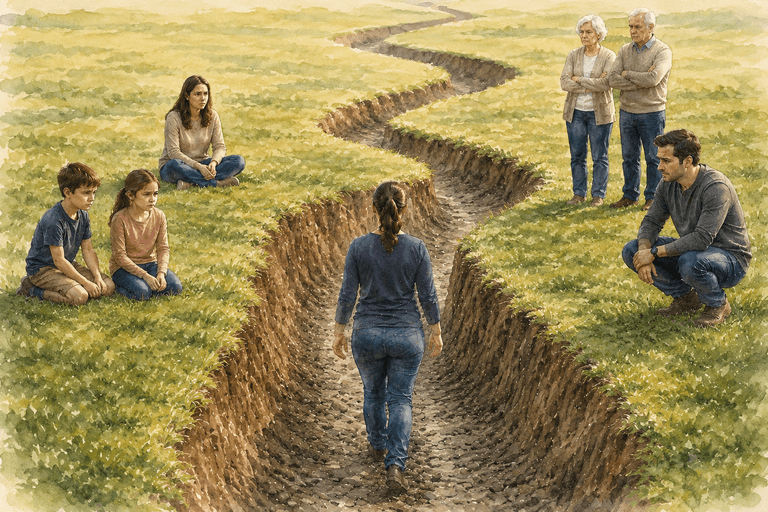
All humans have the same emotions, but how these emotions are connected—how they’re constructed into a working system—varies. For our purposes, this matters because it means that people with different constructs will meet and respond emotionally in different ways to the same type of challenge. If you learn how your construct works, it will help you understand how and why pressure affects your core emotions in a cause and effect, mechanical way.

I discovered the existence of constructs more than 25 years ago. This occurred as a result of my ability to see into people’s emotional systems, which is a skill I’ve only peripherally mentioned up to this point in this blog. When you’re a traditional singer, you need to be able to connect directly into the emotional software—what I call the emotional mechanics—of someone who is struggling so you can read this system. This is kind of like being able read the music that a musician then plays. Seeing allows me to meet the core healing process where it’s at so I can share the songs of Life in a way that impeccably fits with and gives a focused boost to it.

Seeing is a skill that’s learned. It demands you nurture a foundational shift in how you experience the world by using a technique to learn how to quiet your internal mental dialogue so you can stop thinking. This takes years to accomplish, and your mind tends to quiet down progressively. When you reach a certain level of proficiency with this process, your thinking mind stops being the dominant force that you meet the world with. Instead, another part of us that normally remains dormant wakes up, and as it does, you gain the ability to see.

Seeing gives us the ability to meet the world by connecting to and understanding it directly. Because it’s an energetically based process, it’s easiest to see into organic systems that are energetically based like the emotional system. Early in my career, I used my building ability to see to explore the inner workings of the emotional system so I could learn how it was structured and how it functioned when it was healthy and when it healed. This is the same basic process that a mechanic needs to go through so he can understand how an engine works. What I found was that there are 4 different types of constructs that deeply shape the way we experience and respond to life.

I have what I call a southern wind construct, which means I naturally lead with my emotional fire as I meet life and challenge. I experience life with all of my emotions, and different situations bring different emotions to the forefront. But because I lead with my emotional fire, it’s more impacted by the pressures of challenge, and so it drives my behavior more than other parts of my emotional system. Now that I’m healthy and whole at a core level, my construct allows me to meet life with a lot of warmth, love, and determination that has a powerful effect on the challenges in life that I care about. When I was younger and deeply debilitated, my torn-up construct met life with a lot of angry, aggressive energy that tended to push life away.
Our constructs help us understand how our emotional systems meet pressure, and then our MOs (modus operandi) show the behavioral patterns that our construct drives us into when we’re pressured. When we’re debilitated at a core level, our torn-up constructs tend to drive us into behavior that’s grounded in the fight, flight, avoid, appease, and freeze responses. These all lead us into conflict and distance with the world we’re struggling with in repetitive, reliable ways that we can’t really change unless we heal at a core level.

My torn up southern wind construct led me to have an MO that was deeply engrained in both hiding and pushing things away. When I met challenges that really pressured my core, I would stay peripheral and distant from them when I could. If I needed to step into them, I would tend to push in too hard and fast with them. This created a long-standing trend of initially creating failure with these challenges that was really frustrating. I would then have to pull back, digest the failure emotionally, and learn what went wrong before I would then come back a second time and get the chance to succeed.
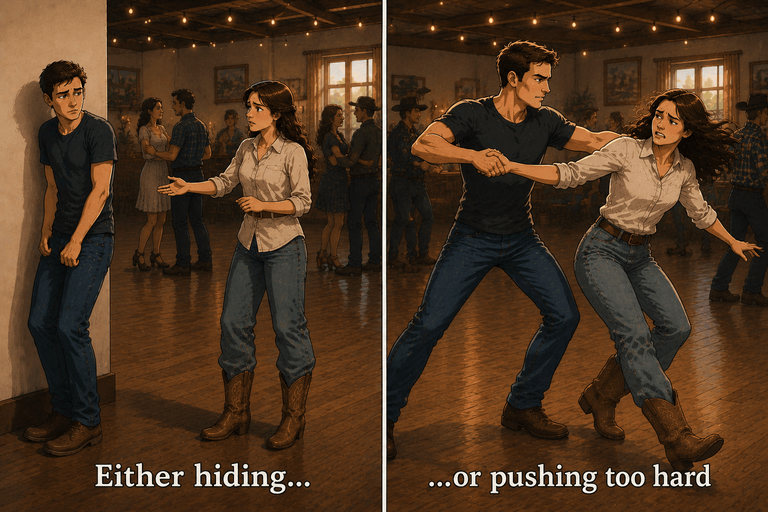
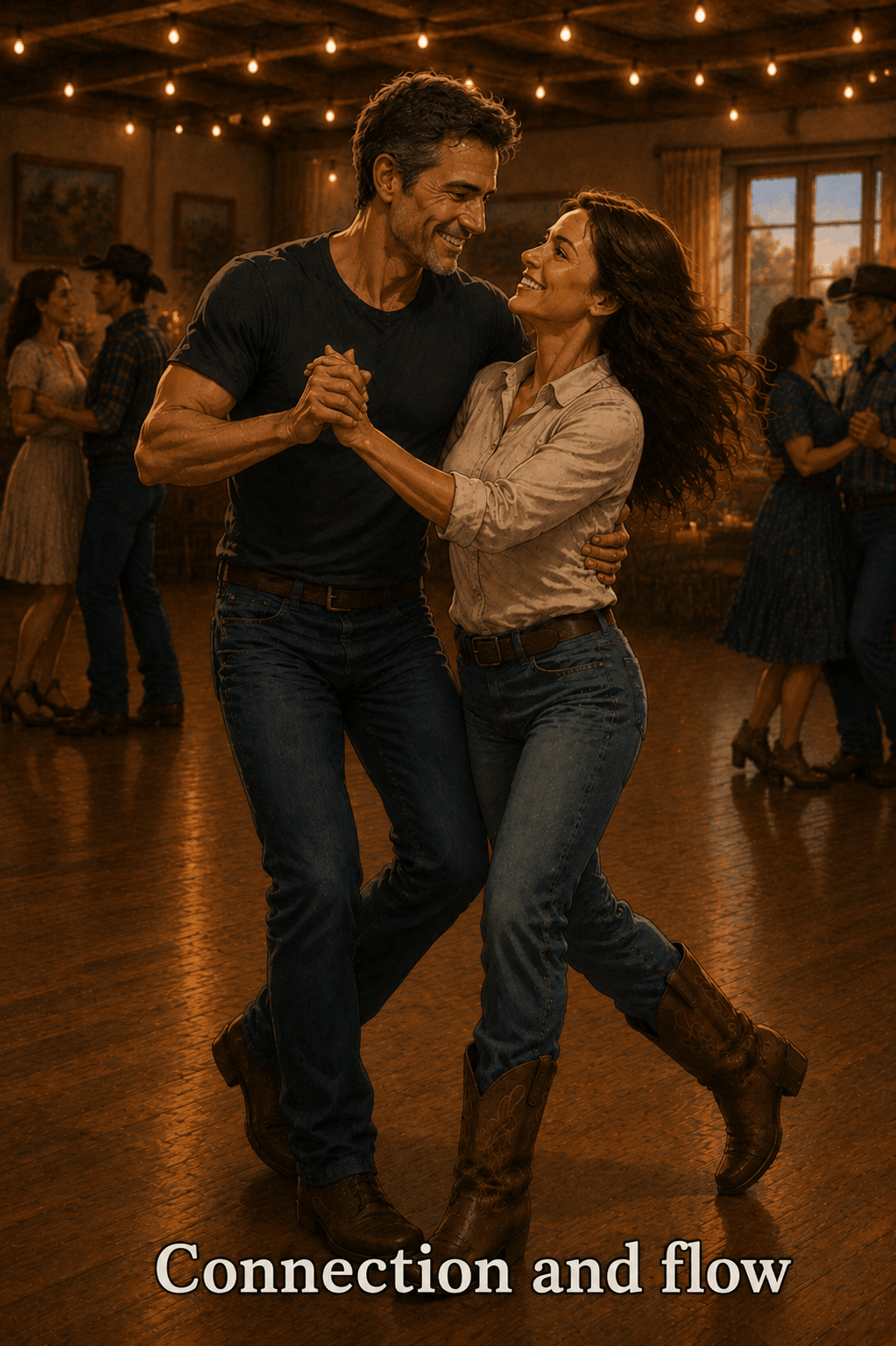
Once I was able to reach and heal through the emotional drivers to this trend, I found myself with choice within these types of challenges for the first time. From there, I then needed to explore and experiment with them so I could figure out a new way forward that worked. In so doing, I was able to shape a new part of my MO that gave me a chance to meet myself and the world with care and respect I could trust under pressure because I was grounded in integrity. This turned out to be the doorway into getting the chance to be a part of challenge in a completely new way that offered a new level of connection and flow while not needing to litter the pathway to success with the wreckage of failure.
If you want to change the way you act under pressure from the inside out, you need to know how your construct and MO work. These feelings and behaviors tend to be so deeply engrained within us that it can take some time to wake up to and flush them out. Waking up to them can be challenging because they often show sides of us that aren’t pretty. When the time is right, I have my clients use a chapter dedicated to constructs and MOs in the Phase I Client Manual to get things started. I tell them what they’re constructs are, and then they use the manual to start to figure out how all the mechanics fit and work together.
As you heal and learn to meet on-the-ground challenge in a rehabilitative way, your understanding of your construct and MO will progressively help you gain the ability to step into healthy relationship. This all starts simply in Phase I as you begin to learn to engage with me, your emotional system, and the earth (through connection work) so we can show you what it means to be in healthy relationship that works.